
Spin Bike Setup: How to Set Up a Spin Bike for Proper Fit and Performance
Proper spin bike setup is one of the most important factors for achieving a comfortable, efficient, and injury-free indoor cycling workout. Whether you ride at a boutique indoor cycling studio or train at home, correctly adjusting your bike ensures your body remains properly aligned while pedaling.
Small adjustments to seat height, saddle position, and handlebar height can dramatically improve pedaling efficiency while reducing strain on the knees, hips, and lower back. Riders who take a few minutes to configure their bike correctly often experience smoother cadence, improved power transfer, and a more comfortable ride.
In this guide, we explain how to properly set up a spin bike, including how to adjust seat height, saddle position, handlebars, and resistance. If you need expert help with indoor cycling equipment or commercial studio bikes, our team at Indoor Cycle Pros is always available to help.
Why Proper Spin Bike Setup Matters
A properly configured spin bike allows riders to maintain correct posture and efficient pedaling mechanics throughout the workout. When the bike fits the rider correctly, the body remains balanced and supported during both seated and standing efforts.
Incorrect spin bike setup can lead to common issues such as knee discomfort, hip strain, or lower-back pain. Many riders experience immediate improvements in comfort and power output simply by adjusting their bike to the correct position.
Proper setup also allows key bike components such as the flywheel, pedals, and resistance system to function smoothly. When the rider is positioned correctly, power is transferred efficiently through the pedals into the flywheel, creating a smoother and more controlled riding experience.
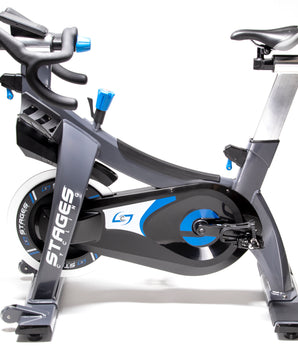
Many professional studios across the United States rely on commercial indoor cycling bikes such as the Stages SC2 Indoor Bike because they provide precise adjustment points designed for riders of different heights and experience levels.
Tools You Need Before Adjusting Your Spin Bike
Most modern indoor cycling bikes are designed to be adjusted quickly without special tools. Adjustment knobs located on the seat post and handlebar column allow riders to customize the bike in just a few seconds.
Before setting up your bike, it may be helpful to have:
- A clean microfiber cloth to wipe adjustment rails
- A measuring reference point for consistent seat height
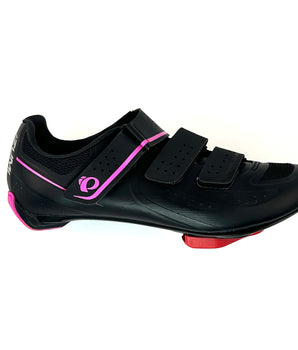
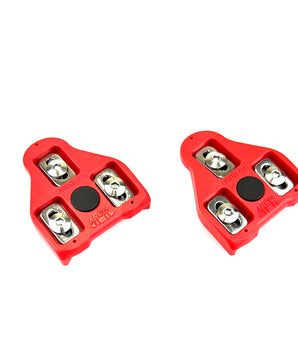
- Proper cycling or athletic shoes compatible with the pedals
Commercial spin bikes are designed for quick adjustments, but it is always important to ensure that all adjustment knobs are tightened securely before riding.
Spin Bike Setup Guide: Adjusting Seat Height
Seat height is the most important adjustment when setting up a spin bike. Incorrect saddle height can reduce pedaling efficiency and place unnecessary stress on the knees.
To determine the correct saddle height:
- Stand next to the bike and raise the saddle to approximately hip height.
- Sit on the bike and place one foot on the pedal.
- Rotate the pedal until it reaches the lowest point in the pedal stroke.
- Your knee should maintain a slight bend rather than full extension.
This position allows efficient power transfer through the pedals while protecting the knee joint from excessive strain.
Adjusting Spin Bike Seat Position (Fore and Aft)
Once seat height is set correctly, the next step in spin bike setup is adjusting the saddle position forward or backward.
This adjustment determines how the rider's knee aligns over the pedal during the pedal stroke.
To check saddle fore-aft alignment:
- Sit comfortably on the bike.
- Rotate the pedals until they are parallel to the floor.
- The front knee should align roughly above the ball of the foot.
- If necessary, slide the saddle forward or backward along the adjustment rail.
Correct saddle positioning improves pedaling efficiency and helps maintain proper riding posture throughout the workout.
Many riders appreciate the precise adjustment options available on commercial bikes such as the Stages SC3 Indoor Bike, which allows quick positioning for riders of varying heights.
Adjusting Spin Bike Handlebars
Handlebar height plays an important role in upper-body comfort and posture while riding.
For most riders, especially beginners, handlebars should be positioned slightly higher than the saddle. This reduces pressure on the lower back and shoulders while maintaining a comfortable riding position.
To adjust the handlebars:
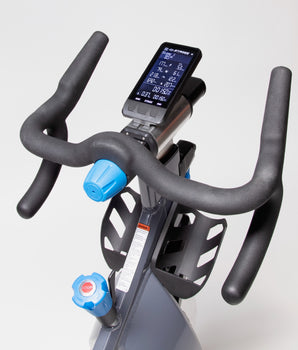
- Loosen the handlebar adjustment knob
- Raise or lower the handlebars to the desired height
- Tighten the knob securely before riding
More experienced riders may prefer slightly lower handlebars for a more aggressive riding posture, while casual riders often benefit from a higher handlebar position.
Understanding Spin Bike Resistance Settings
The resistance knob controls how difficult it is to turn the pedals by increasing tension on the flywheel.
Adjusting resistance allows riders to simulate different riding conditions such as flat roads, rolling terrain, or steep climbs.
Common resistance levels include:
- Light resistance – ideal for warm-ups and recovery rides
- Moderate resistance – suitable for endurance and steady riding
- High resistance – used for hill climbs and strength intervals
Starting with lighter resistance and gradually increasing intensity helps riders maintain a consistent cadence and avoid unnecessary strain.
Common Spin Bike Setup Mistakes to Avoid
Even experienced riders sometimes overlook small setup details that can affect comfort and performance.
Common mistakes include:
Seat positioned too low
This increases knee strain and reduces pedaling efficiency.
Saddle positioned too far forward
Excess forward positioning can place additional pressure on the knees.
Handlebars positioned too low for beginners
This may cause lower-back discomfort during longer rides.
Incorrect resistance levels
Using resistance that is too light or too heavy may reduce workout effectiveness.
Learning proper spin bike setup helps prevent these issues and improves the overall riding experience.
Spin Bike Setup for Indoor Cycling Studios
Indoor cycling studios face unique challenges when setting up bikes because each class includes riders of different heights and experience levels. Proper bike adjustment ensures that every rider can quickly achieve a comfortable and safe riding position.
Studio owners and instructors should encourage riders to adjust their seat height and handlebar position before every class. Instructors can also assist new riders with saddle positioning to ensure proper knee alignment over the pedals.
Commercial indoor cycling bikes used in studios are specifically designed for quick adjustments and durability. Models such as the Stages SC2 and SC3 are widely used in professional studios because they allow riders to easily modify seat height, saddle position, and handlebar height between classes.
Establishing a consistent spin bike setup routine helps studios maintain rider comfort, improve class performance, and extend the lifespan of indoor cycling equipment.
Conclusion
Understanding how to properly set up a spin bike is essential for achieving a comfortable and effective indoor cycling workout. Correct adjustments to saddle height, saddle position, and handlebars allow riders to maintain proper posture and efficient pedaling mechanics.
Whether you ride in a studio or train in a home gym, taking a few minutes to configure your spin bike properly can dramatically improve your riding experience.
If you are comparing different indoor cycling equipment options, you may also find our guide helpful on spin bike vs smart bike.
For professional indoor cycling equipment, replacement parts, or expert guidance on studio bike setup, Indoor Cycle Pros specializes in commercial indoor cycling bikes and accessories designed for studios and serious riders.
Frequently Asked Questions
How high should my spin bike seat be?
The seat should generally align with your hip height when standing beside the bike, allowing a slight bend in your knee when the pedal reaches the lowest point.
How far forward should the saddle be positioned?
When the pedals are level, your forward knee should align roughly above the ball of your foot.
What handlebar height is best for beginners?
Beginners usually benefit from handlebars positioned slightly higher than the saddle to reduce strain on the lower back and shoulders.
How do I know if my spin bike is adjusted correctly?
A properly adjusted bike allows smooth pedaling, balanced posture, and a slight bend in the knee at the bottom of the pedal stroke.
What resistance level should beginners start with?
Most riders benefit from starting with light to moderate resistance and gradually increasing intensity as fitness improves.