
7 Signs Your Spin Bikes Need Immediate Repair
Spin bikes are designed to withstand intense workouts and heavy daily use in gyms and indoor cycling studios. However, like any mechanical equipment, even high-quality bikes will eventually develop wear and tear. Recognizing spin bike repair signs early can help prevent serious mechanical problems, safety risks, and costly equipment downtime.
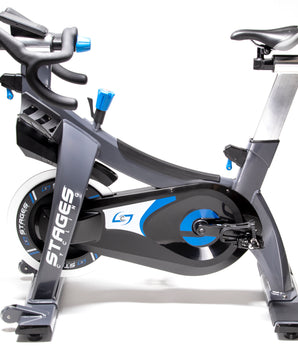
Commercial indoor bikes such as the Stages SC2 and Stages SC3 are built specifically for demanding studio environments. While these bikes are extremely durable, routine maintenance and timely repairs are still necessary to keep them performing reliably.
Across gyms and cycling studios throughout the United States, proactive inspections and proper maintenance play a major role in keeping indoor cycling equipment safe and operational. Small mechanical issues often begin subtly. When ignored, they can quickly turn into larger failures that disrupt workouts and damage expensive components.
Understanding the most common spin bike repair warning signs allows studio owners, gym operators, and riders to address issues before they become serious.
Why Recognizing Spin Bike Repair Signs Early Matters
Spin bikes operate under constant mechanical stress. Every workout places pressure on the flywheel, drivetrain, pedals, crank arms, and resistance systems. Over time, even well-maintained bikes may require servicing.
Recognizing repair warning signs early helps protect both riders and equipment. Preventive maintenance is almost always less expensive than emergency repairs.
Routine indoor cycling bike maintenance offers several important benefits:
- Improves rider safety
- Reduces equipment downtime in busy studios
- Prevents major component failures
- Extends the lifespan of commercial indoor cycling bikes
Following a structured maintenance checklist helps identify early issues such as drivetrain wear, flywheel alignment problems, or resistance system malfunctions. Addressing these problems early ensures your equipment continues performing reliably.
Sign #1: Unusual Noises During Pedaling
One of the most obvious warning signals is unusual noise during pedaling. Clicking, grinding, squeaking, or knocking sounds often indicate mechanical wear or loose components.
These sounds may originate from several areas of the bike, including:
- Pedals
- Crank arms
- Bottom bracket bearings
- Chain or belt drivetrain systems
Many noise issues occur because of drivetrain wear, loose hardware, or insufficient lubrication. In some cases, the noise may come from worn flywheel bearings.
Professional troubleshooting can help identify the exact source of the sound before additional damage occurs.
Sign #2: Resistance Not Working Properly
Resistance control is one of the most important features of a spin bike. When the resistance mechanism stops responding correctly, riders may notice that the bike feels either too easy or extremely difficult to pedal.
Common causes include:
- Worn resistance pads
- Magnetic resistance system misalignment
- Damaged resistance knobs
- Flywheel alignment issues
In many cycling studios, resistance problems are one of the most common signals that spin bike servicing is required.
Commercial models like the Stages SC2 Indoor Bike are engineered with durable resistance systems designed to handle heavy studio usage.
Sign #3: Wobbling or Unstable Frame
A spin bike should always feel stable during workouts. If riders feel the bike shifting side-to-side or rocking during intense pedaling, the frame likely requires inspection.
Common causes of instability include:
- Loose stabilizer bolts
- Uneven flooring
- Frame hardware wear
- Damaged adjustment mechanisms
Regular indoor cycling bike maintenance should include tightening hardware and checking frame alignment.
When addressed early, most instability issues can be corrected quickly.
Sign #4: Slipping or Jerky Pedal Motion
Pedaling should always feel smooth and consistent. If the pedals begin slipping or moving unevenly, the drivetrain likely needs attention.
Possible causes include:
- Loose crank arms
- Belt tension problems
- Damaged pedals
- Bottom bracket wear
Technicians typically inspect the drivetrain to determine whether belt adjustments or component replacements are necessary.
Many studios prefer bikes like the Stages SC3 Indoor Bike because their drivetrain systems are designed for smooth operation even under heavy daily use.
Sign #5: Loose Handlebars or Seat Adjustments
Handlebars and seat posts must remain firmly secured during workouts. Loose adjustments can cause sudden shifts in riding position, increasing the risk of injury.
Loose components often result from:
- Worn adjustment pins
- Stripped threads
- Loose locking knobs
- Frequent height adjustments
This issue commonly appears in high-traffic studios where bikes are adjusted frequently throughout the day.
Sign #6: Console or Display Malfunctions
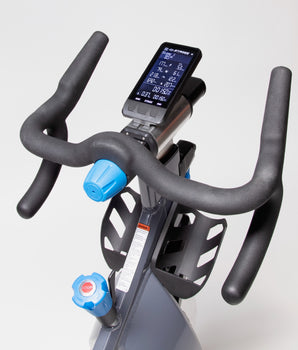
Many modern indoor cycling bikes include consoles that track cadence, distance, and ride time.
If the display stops working correctly, it may indicate electrical or sensor issues.
Common causes include:
- Loose wiring connections
- Battery issues
- Sensor misalignment
- Electronic component failure
While console problems may not immediately affect mechanical performance, they can reduce the rider experience.
Sign #7: Increased Vibration During Workouts
A properly maintained spin bike should operate smoothly with minimal vibration. If riders feel excessive shaking, it often signals mechanical imbalance.
Possible causes include:
- Misaligned flywheel
- Worn bearings
- Loose frame components
- Uneven stabilizers
Ignoring vibration can accelerate wear across multiple components.
When to Call a Professional Spin Bike Technician
Some minor maintenance tasks can be handled through routine inspections. However, certain problems require professional service.
You should contact a technician if you notice:
- Persistent grinding noises
- Resistance failure
- Severe vibration during workouts
- Frame instability
Improper bike setup can also contribute to mechanical stress. See our guide on how to properly set up a spin bike to ensure correct positioning.
Professional Spin Bike Service and Troubleshooting
If your indoor cycling bikes are showing signs of mechanical issues, professional inspection can help prevent further damage and ensure rider safety.
Indoor Cycle Pros specializes in servicing commercial indoor cycling bikes used in studios and gyms across the United States. Our service options include both onsite service visits and virtual troubleshooting sessions.
Whether you operate a boutique cycling studio or maintain a fleet of commercial bikes, early repairs can prevent costly equipment downtime.
Learn more about our onsite spin bike service and virtual service support.
Call (949) 922-7302 to discuss service options or troubleshoot a spin bike issue.
Frequently Asked Questions
What are the most common spin bike repair signs?
Common warning signs include unusual noises, resistance problems, unstable frames, slipping pedals, loose adjustments, console malfunctions, and vibration.
How often should spin bikes be serviced?
Commercial spin bikes should be inspected regularly and serviced based on usage levels and manufacturer guidelines.
Is it safe to ride a spin bike that makes grinding noises?
Grinding noises usually indicate mechanical issues. The bike should be inspected to prevent further damage.
Why is my spin bike resistance not changing?
Resistance issues may result from worn components, misalignment, or internal adjustment problems.
Can loose handlebars cause accidents?
Yes. Loose handlebars can shift during workouts, reducing stability and increasing injury risk.