
What Is Indoor Cycling? How Spin Classes Work in Gyms and Studios
Indoor cycling is one of the most successful and widely adopted group fitness programs in modern gyms, health clubs, recreation centers, and boutique studios. Often referred to as a “spin class,” indoor cycling involves riders pedaling stationary bikes while an instructor leads structured intervals, climbs, and endurance segments set to music.
Unlike many other cardio workouts, indoor cycling allows riders of different fitness levels to train together in the same class. Each rider controls their resistance and cadence, making the workout scalable for beginners, experienced athletes, and everyone in between.
At Indoor Cycle Pros, we work directly with fitness facilities across the United States that rely on commercial indoor cycling bikes to power their group cycling programs. This guide explains how indoor cycling works, why spin classes are so popular, and how gyms and studios structure successful cycling programs.
The Rise of Indoor Cycling Studios
Indoor cycling first gained popularity in the late 1980s when instructor-led cycling workouts were introduced as a structured group training format. Over the following decades, spin classes evolved from a niche workout into one of the most recognized group fitness experiences in gyms and boutique studios.
Today, indoor cycling programs can be found in:
- boutique cycling studios
- full-service health clubs
- university recreation centers
- corporate wellness facilities
- resort fitness centers
- community recreation centers
These programs remain popular because they combine cardiovascular training, motivating group energy, and highly efficient class formats.
How Spin Classes Work
A spin class typically takes place in a dedicated cycling studio filled with commercial indoor cycling bikes. Riders follow an instructor who guides the class through different riding segments designed to simulate outdoor cycling conditions.
A typical class may include:
- warm-up intervals
- seated endurance riding
- standing climbs
- high-cadence sprint efforts
- recovery segments
- cool-down and stretching
The instructor controls the class structure while riders adjust resistance on their individual bikes to match the intensity of the workout.
This flexible format allows a room full of riders to participate together while still maintaining personalized training intensity.
Why Gyms and Studios Offer Indoor Cycling
Indoor cycling classes remain one of the most reliable group fitness formats for gyms and studios. They attract a wide range of members and allow facilities to deliver structured workouts in a highly efficient environment.
Many facilities invest in cycling programs because they provide:
- high member participation
- strong group energy and motivation
- low-impact cardiovascular training
- scalable workouts for different fitness levels
- repeatable class formats that instructors can easily program
This combination of accessibility and intensity makes indoor cycling one of the most consistent drivers of group fitness participation.
Indoor Cycling vs Outdoor Cycling
While outdoor cycling offers its own benefits, indoor cycling provides a controlled training environment that many riders find more consistent and accessible.
Indoor cycling removes many external variables that can affect outdoor rides, including weather conditions, traffic, road hazards, and inconsistent terrain.
Inside a studio environment, riders can:
- train year-round regardless of weather
- follow structured interval programming
- track cadence and performance metrics
- maintain consistent workout intensity
For these reasons, many cyclists use indoor cycling classes as a reliable way to maintain conditioning throughout the year.
Commercial Indoor Cycling Bikes Explained
The quality of the bikes used in a spin class plays a major role in the overall rider experience. Fitness facilities typically rely on commercial indoor cycling bikes designed for multiple daily classes and long-term durability.
Unlike residential exercise bikes, commercial cycling bikes are built to withstand heavy use in high-energy studio environments.
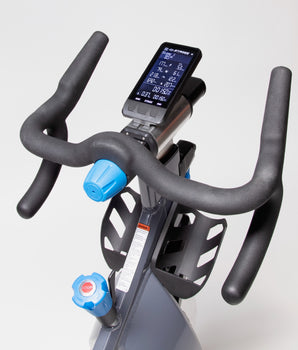
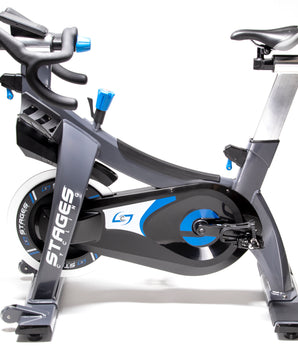
Many facilities choose the Stages SC2 Indoor Bike because it offers commercial-grade durability, smooth magnetic resistance, and a consistent ride feel across an entire bike fleet.
Facilities looking for advanced performance metrics often upgrade to the Stages SC3 Indoor Bike, which integrates power measurement technology to provide real-time rider performance data.
Why Rider Connection to the Bike Matters
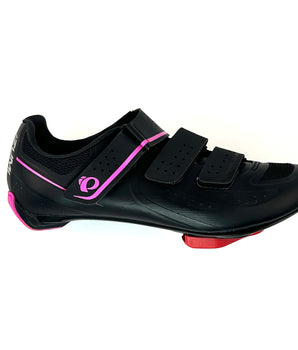
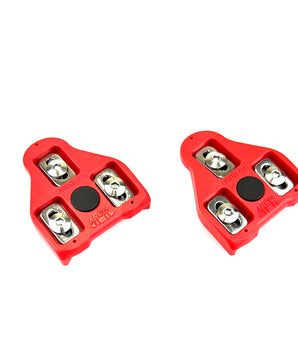
Another important part of the indoor cycling experience is how the rider connects to the bike. Many studios use clip-in cycling pedals that allow riders to secure their cycling shoes directly to the pedal.
This connection helps riders maintain smoother pedal strokes, better power transfer, and improved stability during standing climbs and high-intensity efforts.
Many facilities choose professional-grade indoor cycling pedals that support common cycling cleat systems used in studio environments.
A properly fitted bike combined with a secure pedal connection can significantly enhance the indoor cycling experience.
Planning an Indoor Cycling Program for Your Facility
Fitness facilities planning to launch or expand an indoor cycling program should consider several key factors.
These include:
- studio room layout and bike capacity
- commercial bike durability and serviceability
- instructor training and class programming
- long-term equipment maintenance
- replacement parts availability
For facilities evaluating their investment, our guide to the Cost to Open a Spin Studio provides additional insights into planning a successful indoor cycling program.
Operators can also review our breakdown of the Best Commercial Indoor Cycling Bikes for Studios to compare equipment options used in professional cycling rooms.
Indoor Cycling Continues to Grow
Indoor cycling remains one of the most recognizable and enduring group fitness formats in the industry. From boutique studios to large health clubs, cycling programs continue to attract riders who want structured cardiovascular training in an energizing group environment.
For fitness facilities, a well-designed indoor cycling program can become one of the most popular and reliable parts of their group fitness schedule.
At Indoor Cycle Pros, we work with studios and gyms across the United States to supply commercial indoor cycling bikes, replacement parts, and service support for long-term program success.
If you are planning a new spin studio or expanding an existing cycling program, you can request a Bulk Stages Bike Quote and our team will help you determine the right setup for your facility.
Frequently Asked Questions
What is indoor cycling?
Indoor cycling is a stationary bike workout typically performed in a group class environment where an instructor leads riders through structured intervals, climbs, and endurance segments.
What is a spin class?
A spin class is a type of indoor cycling workout where participants ride stationary bikes while following instructor-led training segments designed to improve cardiovascular endurance and overall fitness.
Why are spin classes popular in gyms?
Spin classes combine high-energy music, structured workouts, and scalable intensity levels, making them appealing to riders with different fitness backgrounds.
Do gyms use special bikes for spin classes?
Yes. Most gyms and studios use commercial indoor cycling bikes designed to withstand multiple daily classes while providing consistent resistance and durability.
How many bikes are usually in a spin studio?
Most spin studios and fitness facilities install between 20 and 60 bikes depending on the size of the studio room and class capacity.